
A rich natural environment intersects with a deep and rich history.
Because Sado Island is separated from the Sea of Japan, a unique culture and customs have developed there.
Blessed with abundant nature and a favorable climate, Sado Island is also home to thriving rice farming, fruit cultivation, and fishing.
Let's embark on an island voyage in search of delicious food and beautiful scenery.
"Sado Gold Mine Historic Site"
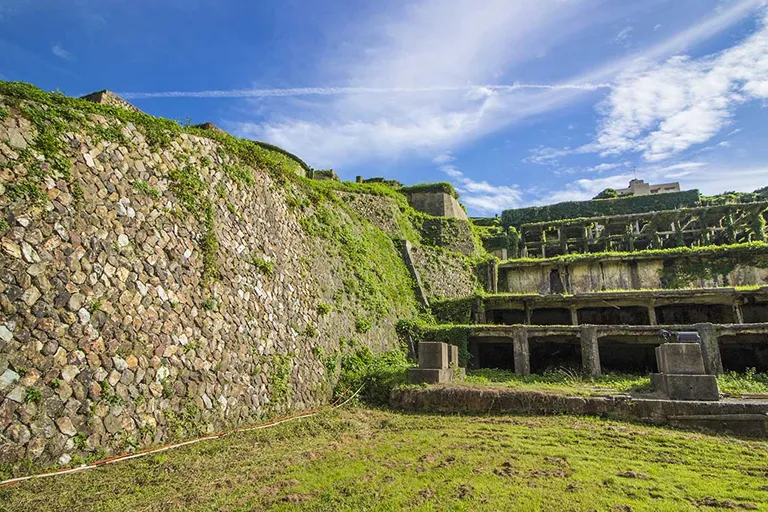
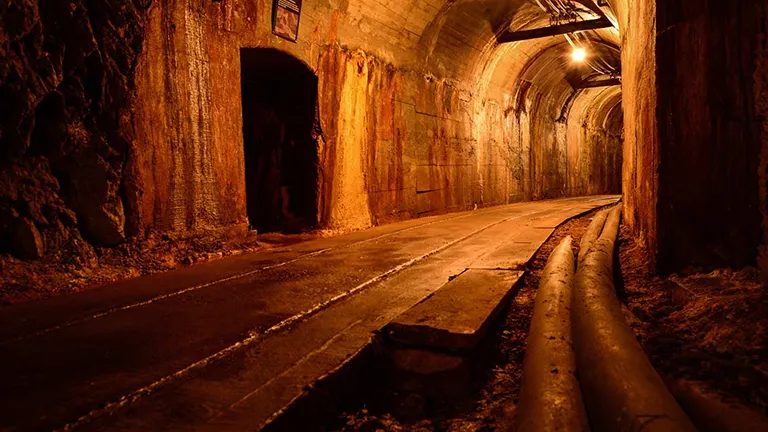
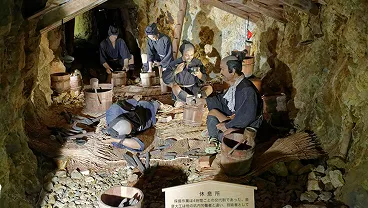
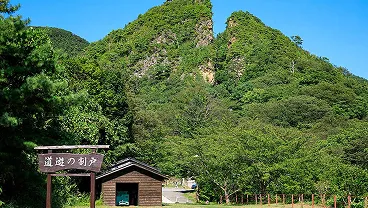
The Sado Gold Mine is a prime example of Japan's gold rush. With a total tunnel length of 400 km, mining continued for approximately 400 years, from 1601 to 1989. Currently, a portion of it is open to the public. Take a stroll through the Edo Gold Mine Picture Scroll (Sotayu Pit) course, which recreates the mining work of the time with life-sized mannequins, or the Meiji Government-Owned Mine (Doyu Pit) course, where you can see a group of modern industrial heritage sites from the Meiji period onward.
"Tub boat"
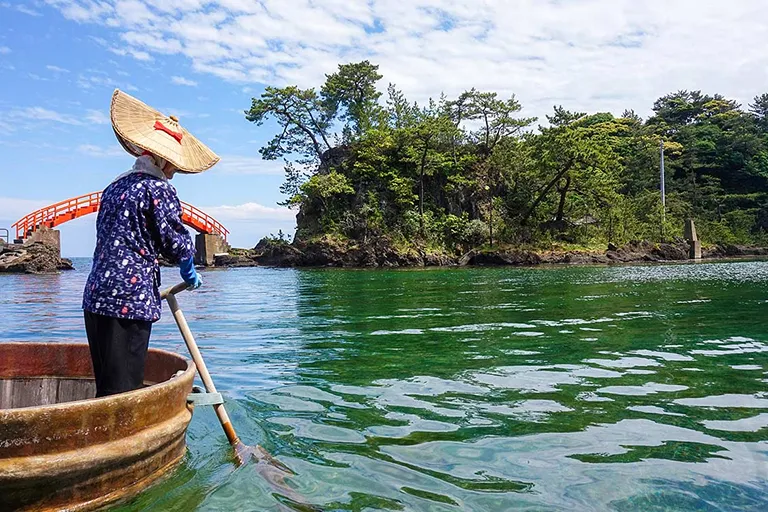
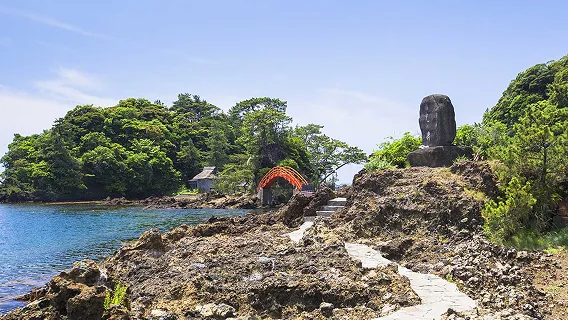
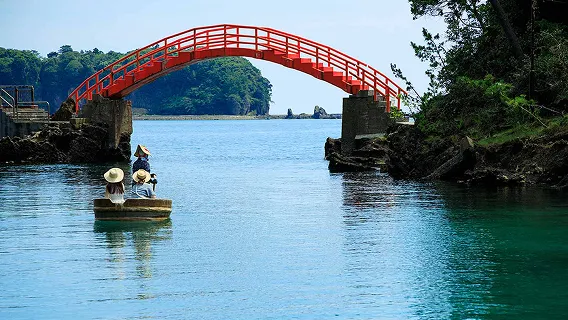
Sado's coastline is intricate and full of rocky reefs. The "tub boat" has supported the local culture of harvesting shellfish such as turban shells and abalone. These tub boats, which are modified laundry tubs, are easy to maneuver and stable, but actually rowing them requires skill. At the three experience facilities on the island, a boatman will steer the boat for you, so you can relax and enjoy the experience. Why not enjoy a stroll along the sea of Sado in a tub boat?
"Iwakubi Shoryu Rice Terraces"
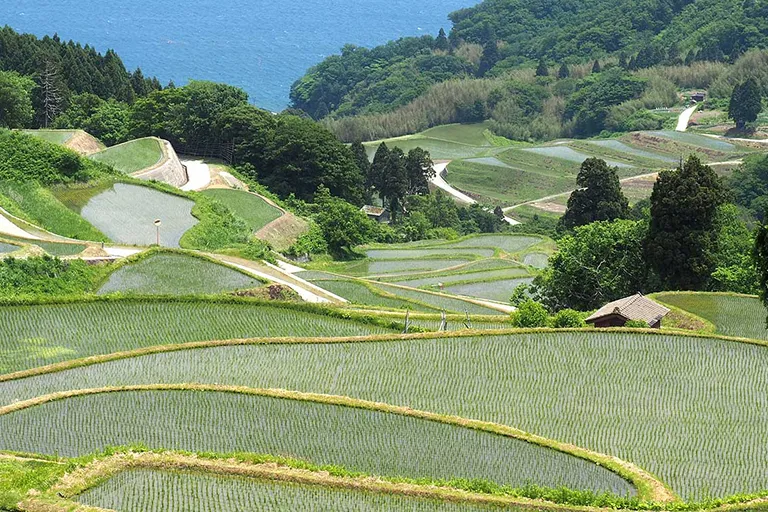
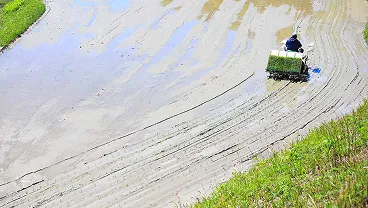
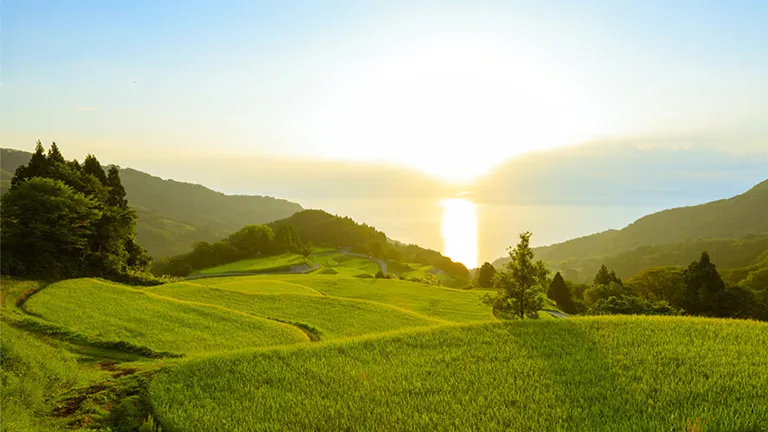
The name "Iwakubi Shoryu Tanada" (Rising Dragon Rice Terraces) comes from the fact that the large and small rice paddies look like a dragon ascending to the heavens, winding left and right between the mountains. These traditional rice terraces have been passed down since the Edo period and comprise approximately 460 rice paddies.
From the observation hut, you can see a panoramic view of the many rice paddies stretching out before you and the calm Sea of Japan. In particular, in early spring, the sight of the morning sun shining on the water-filled rice paddies is said to be a spectacular view.
"Ohnogame"
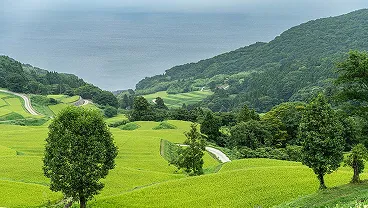
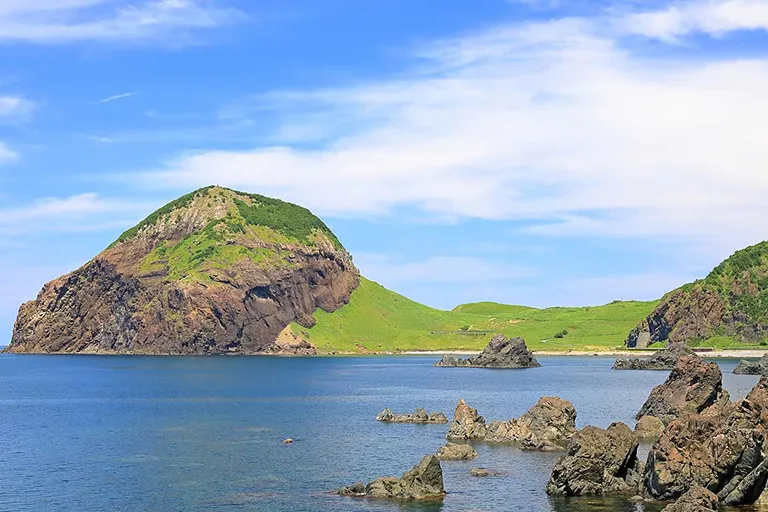
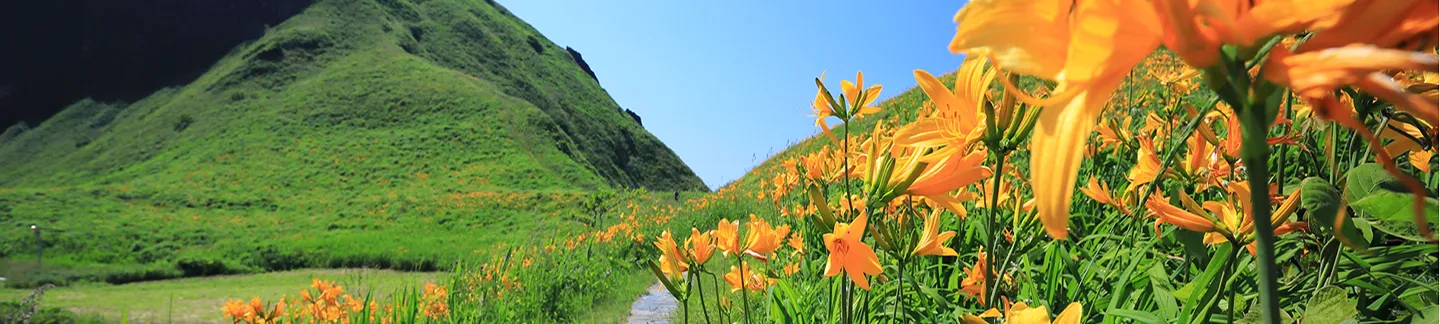
"Ono-game," which resembles a crouching turtle, is a breathtaking sight at an altitude of 167m. A single rock juts out into the sea like a small mountain, and you can climb to the top. It is a famous spot that is worshipped locally as a rock where a god resides, and the best time to visit is early summer when the Tobishima daylilies are in bloom. The sight of 500,000 plants and 1 million flowers painting the entire area yellow is a must-see. The best time to see them is from late May to early June.
Savoring "rice and sake"
Niigata is best known for its rice. The climate, with its large temperature fluctuations, produces delicious rice. In addition to its cuisine, Niigata has a long history of sake brewing using rice as the main ingredient. Using plenty of delicious water from the mountains and snowmelt, Niigata produces a wide variety of sake, so many that you'll be spoiled for choice. Brewery tours where you can sample the sake are highly recommended.
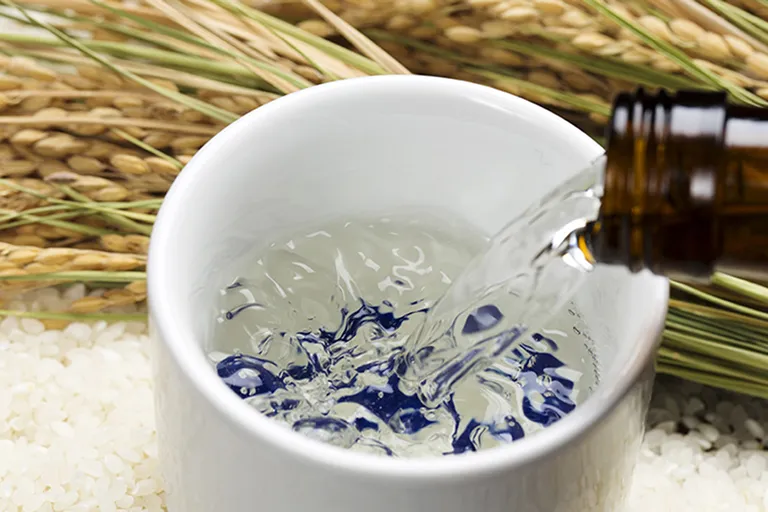
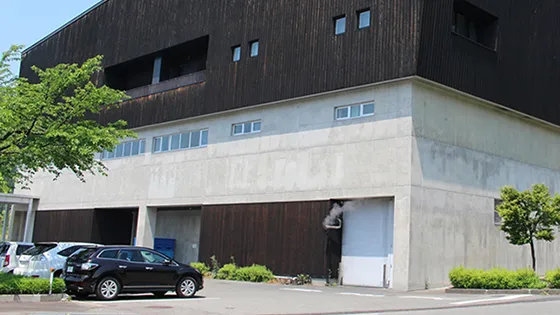
This is a comprehensive facility operated by the brewery that produces "Hakkaisan," a local sake from Niigata Prefecture. In addition to sake and Niigata cuisine, you can enjoy tastings and tours, making it a place you can enjoy all day long.
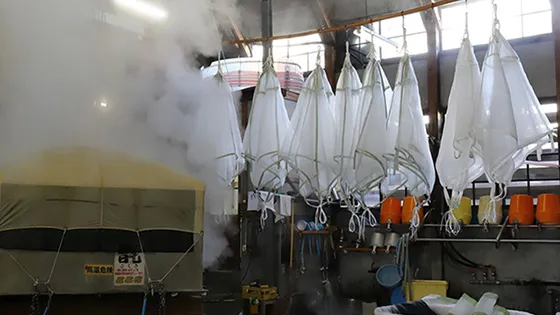
This is a long-established sake brewery in Uonuma with a history of over 300 years. The finished sake is stored at low temperatures in a "yukikura" (snow cellar) that uses natural snow. Tours are available.
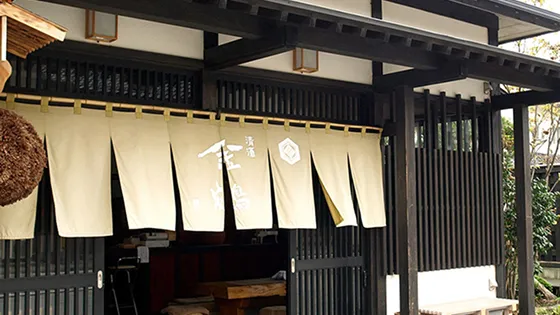
This brewery produces "Kintsura," a sake from Sado Island. They use 100% Sado-grown rice as their raw material, primarily organically grown rice, resulting in a rare and highly prized sake.
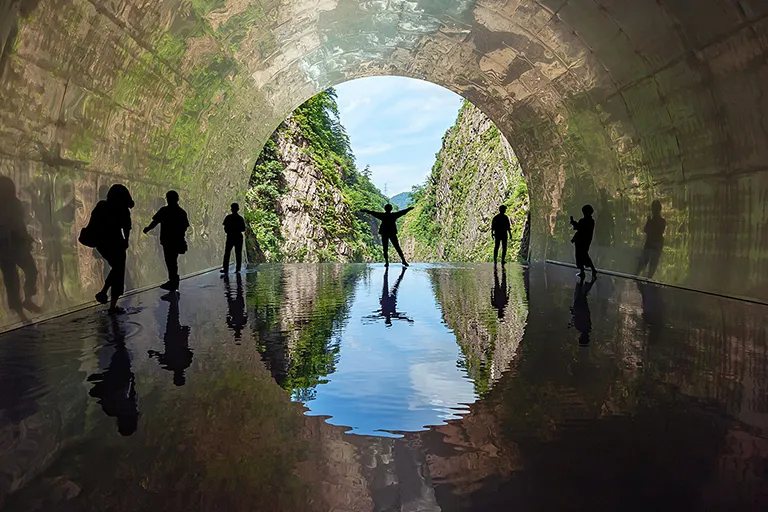
Located in Tokamachi City, this is one of Japan's three great gorges. Walking through the 750-meter-long Kiyotsu Gorge Tunnel, you can enjoy the columnar jointed rock formations and natural scenery from three viewpoints. The main highlight is the Panorama Station at the very end. The ground is like a mirror of water, and the fantastical scenery that seems to envelop the entire area will make your heart flutter.
Enjoy fresh fish!
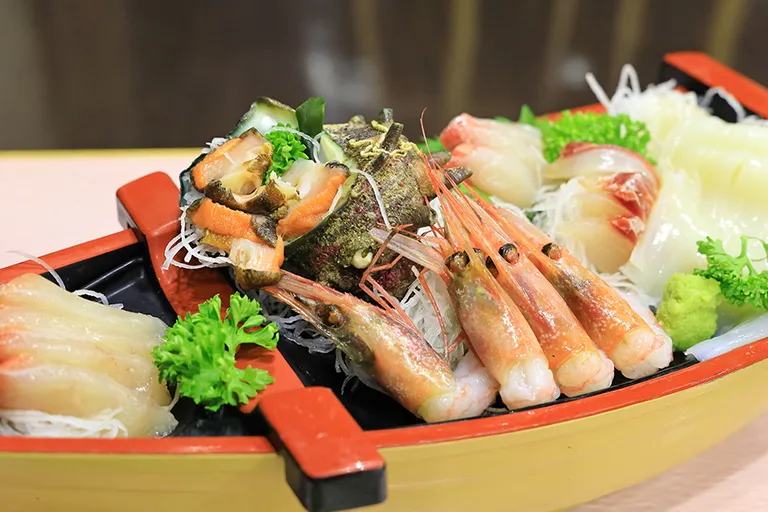
The waters off Niigata are famous as one of Japan's leading fishing grounds. Because warm and cold currents meet there, a wide variety of fish inhabit the area. You can find rare and high-end seafood such as the king of white fish, the blackthroat seaperch, and the sweet, melt-in-your-mouth Nanban shrimp.
Enjoy affordable seafood at local fish shops. For souvenirs, head to the market.