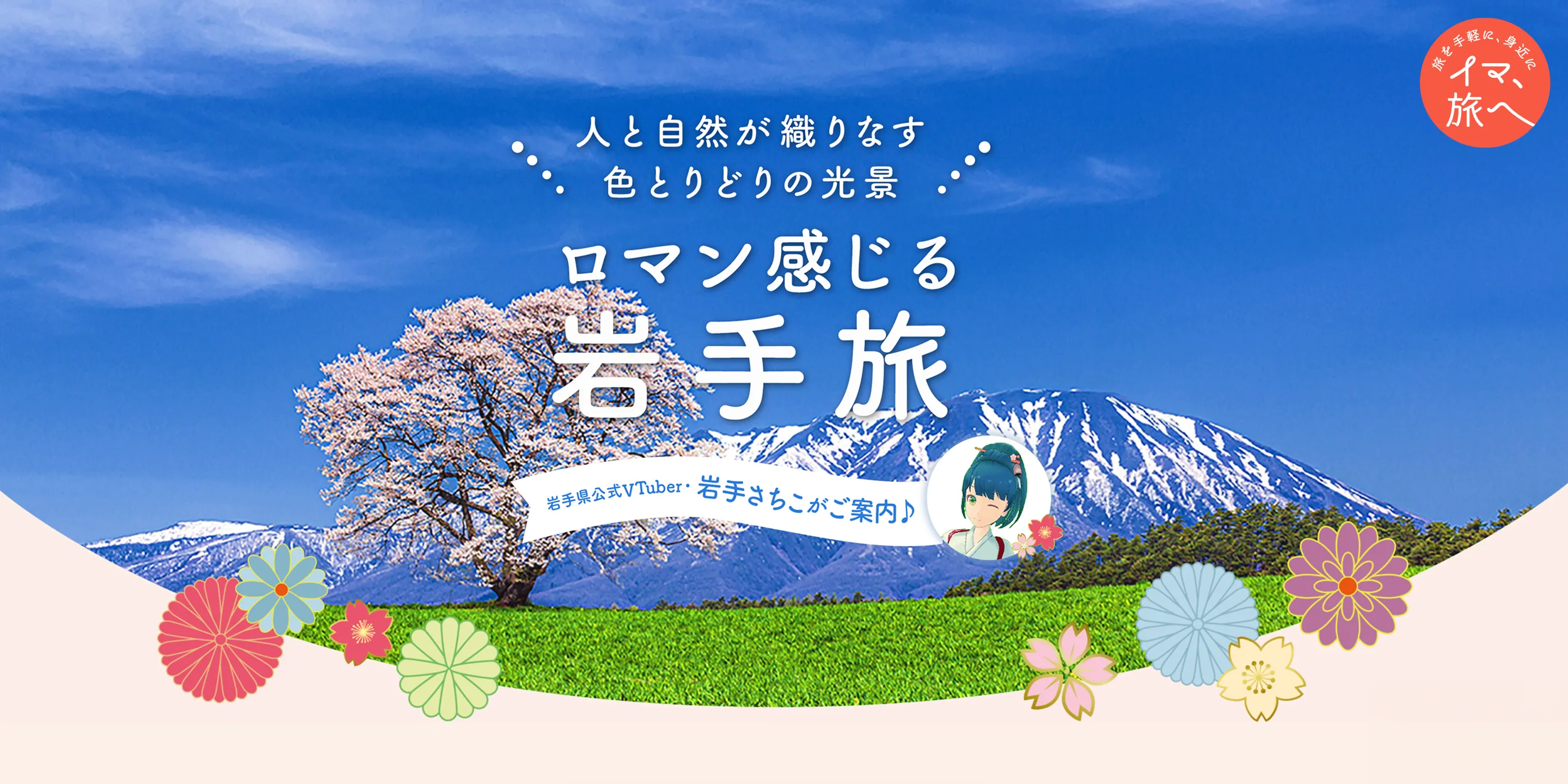
History, culture, and the unspoiled natural beauty of this hidden paradise.
Iwate Prefecture boasts the largest size on Honshu Island.
This area is home to many historical buildings and preserved cultural heritage.
Just a short trip to the outskirts will reveal the beautiful scenery created by nature.
Let's fully experience the charms we haven't yet discovered.

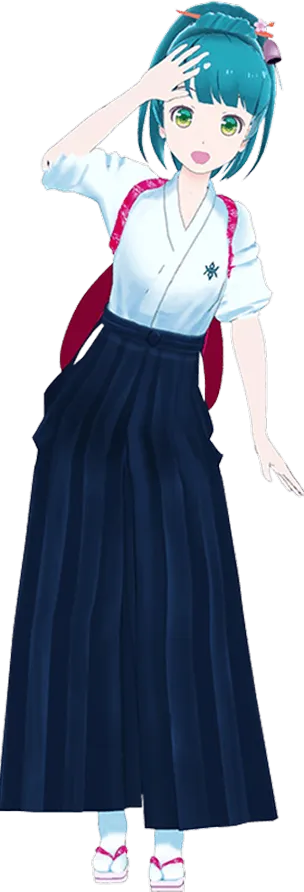


A VTuber who works as a publicity member for the "Iwate All-Inclusive Promotion Team".
A bright, serious, and curious girl. Her special skill is naginata (Japanese halberd).
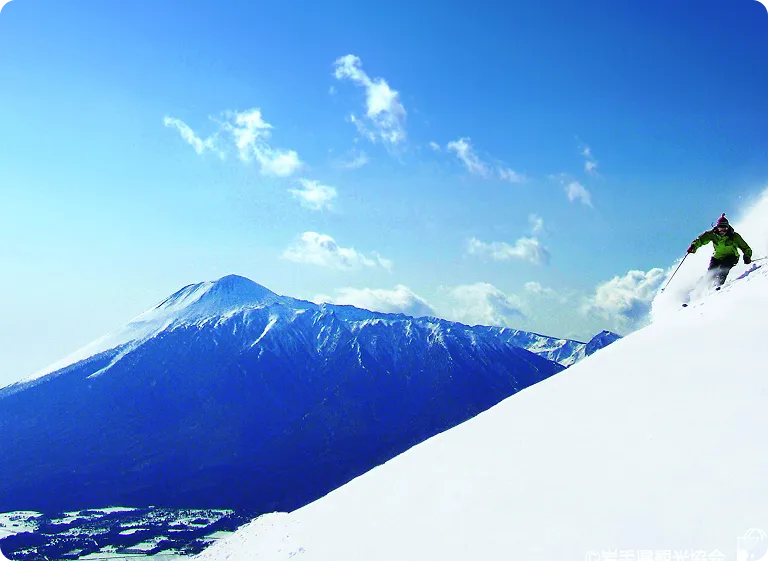
Appi Kogen Ski Resort
With a total skiable distance of 43.1 km and 21 courses, it is one of the leading ski resorts in the Tohoku region.
With a variety of course layouts, you can enjoy skiing and snowboarding to your heart's content all day long!
Furthermore, this snow resort offers a variety of winter activities beyond the slopes, including a "Snow Play Land" that beginners and children can enjoy safely, and snowshoeing through the winter forest.
Playing in the snow in Iwate during winter is highly recommended!
"Goshono Ruins"
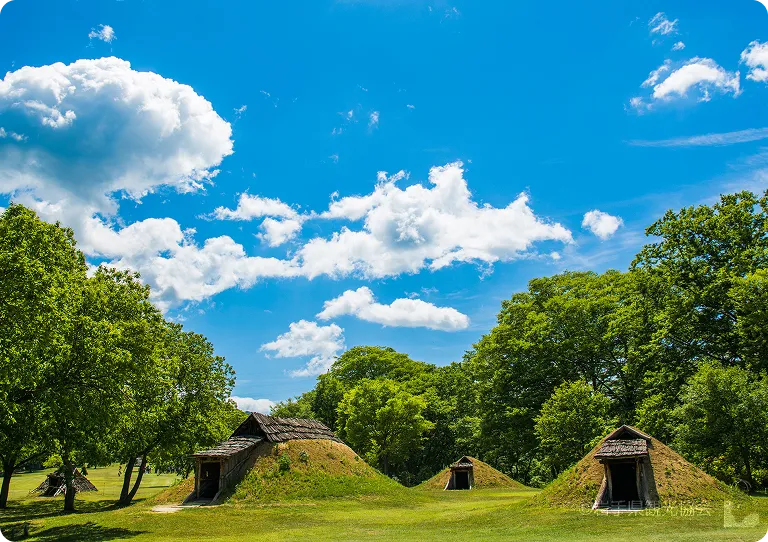
The Goshono archaeological site in Ichinohe Town, Iwate Prefecture, was registered as a World Heritage Site in July 2021 as one of the constituent sites of the "Jomon Prehistoric Sites in Hokkaido and Northern Tohoku."
Within the Goshono Jomon Park, where the Goshono archaeological site is located, pit dwellings and other structures have been reconstructed, and visitors can enter them, allowing them to glimpse what life was like during the Jomon period. In addition, the adjacent Goshono Jomon Museum displays pottery excavated from the site and shows projection mapping that recreates life at the time, allowing visitors to learn more about the Goshono site and the Jomon period.
"Cultural Heritage of Hiraizumi"
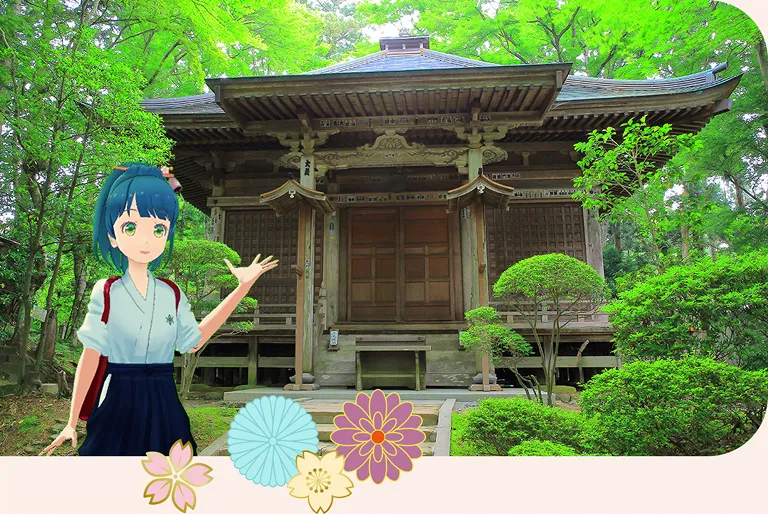
Located in Hiraizumi, the head temple of the Tendai sect in Tohoku, many temple buildings, including a multi-storied pagoda and a two-story main hall, were constructed in the early 12th century by Kiyohira, the first lord of the Oshu Fujiwara clan. These buildings were intended to create a Buddhist paradise to comfort the souls of those who died in the long wars of the Former Nine Years' War and the Later Three Years' War. Although the temple buildings were unfortunately destroyed by fire in the 14th century, the site still boasts over 3,000 national treasures and important cultural properties, including the Golden Hall of Chuson-ji Temple, offering a wealth of Heian period art to explore. The Hiraizumi World Heritage Guidance Center, located within the Yanagi-no-Gosho Historical Park, provides an easy-to-understand introduction to Hiraizumi's cultural heritage through videos, models, and projection mapping. It's an excellent starting point for sightseeing in Hiraizumi.
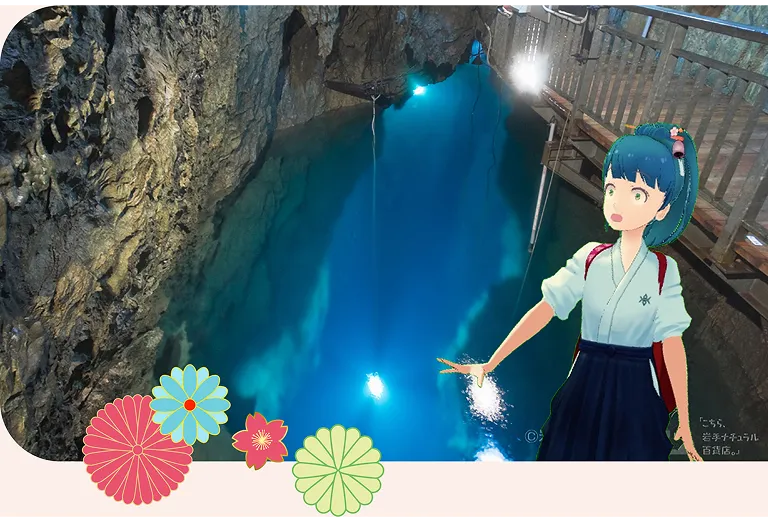
Ryusendo Cave is one of Japan's three largest limestone caves. Designated as a national natural monument, the cave already boasts a known length of over 4,088 meters, with its full extent said to reach 5,000 meters. Furthermore, clear water springs up from several points underground, forming underground lakes. Among them, the third underground lake is 98 meters deep and boasts one of the clearest waters in the world. The dragon-blue lake water, imbued with the pure breath of nature, and the countless stalactite formations invite visitors into a fantastical world.
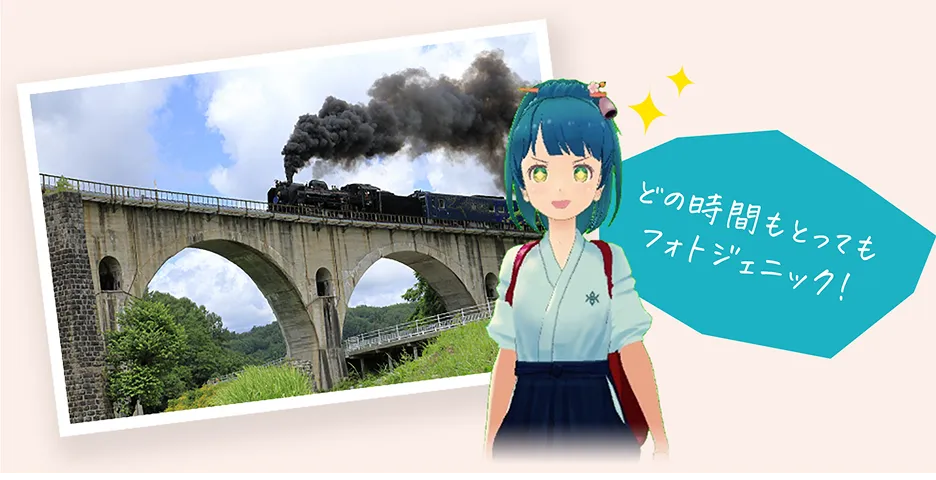
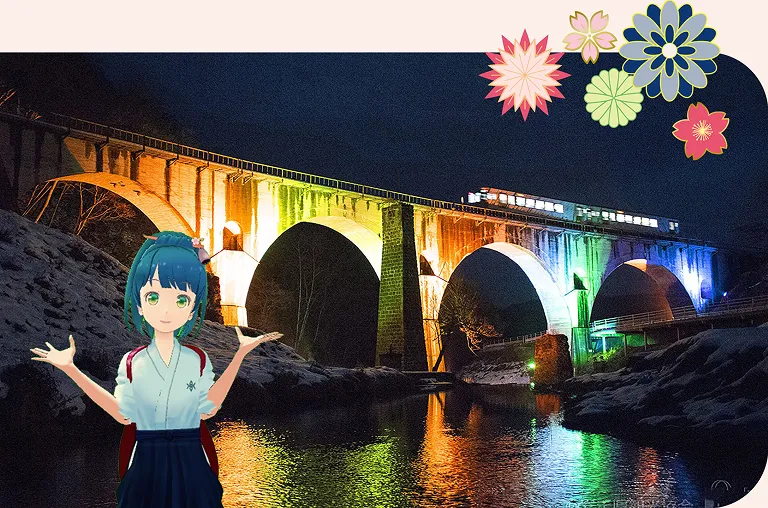
The Iwate Light Railway, the predecessor of the JR Kamaishi Line, is said to have been the inspiration for Kenji Miyazawa's fairy tale "Night on the Galactic Railroad." Along this railway line lies the so-called "Meganebashi" (officially known as the Miyamorigawa Bridge), the largest brick bridge in Japan, with five semicircles arranged in an arch shape. During the spring, summer, and winter tourist seasons, the Meganebashi is illuminated in green and orange, and is renowned for its beautiful, nostalgic atmosphere. In 2009, it was designated a "Lover's Sanctuary," and in 2020, it was designated a "Light-Up Night View Heritage Site."
"Morioka Handmade Village"
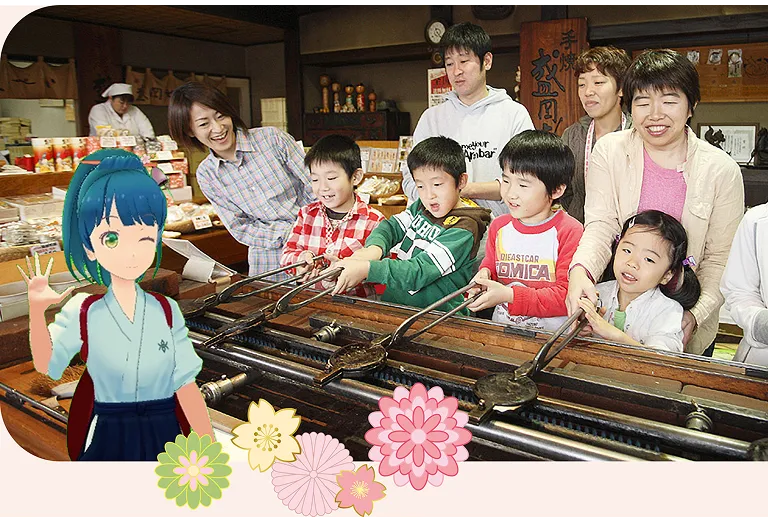
Morioka Handmade Village is a facility that brings together traditional techniques for crafts, folk art, and food from Morioka, based on the concept of "See, Touch, and Create."
In addition to the handmade crafts zone featuring 11 different types of businesses and 15 workshops, there is also an exhibition and sale of over 4,000 kinds of local products. The handmade crafts are particularly popular, allowing visitors to observe traditional techniques being demonstrated by artisans up close and create their own original works while receiving direct instruction from the artisans themselves.
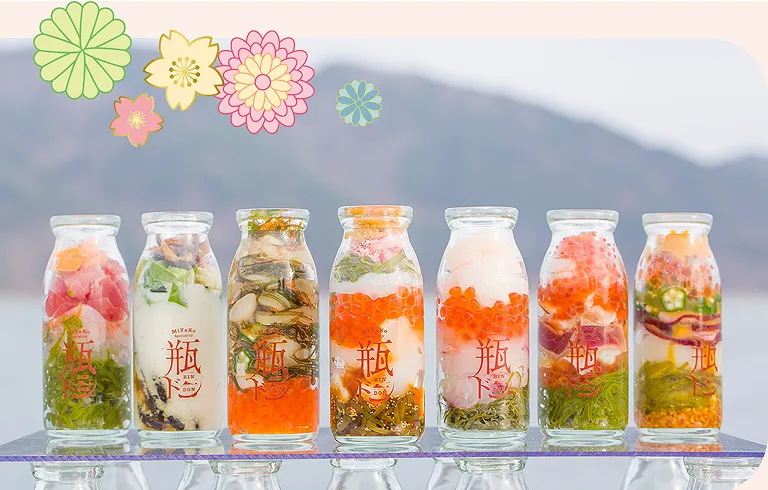
Along the Sanriku coast, it's common practice to preserve fresh sea urchins in milk bottles along with seawater. This unique style inspired the creation of "Bin-don." This experiential gourmet dish involves filling a milk bottle with seasonal ingredients from Miyako and pouring it over hot rice. Its unique appearance and authentic taste are sure to impress. Several restaurants in Miyako City offer Bin-don, so be sure to enjoy the different styles available at each establishment.
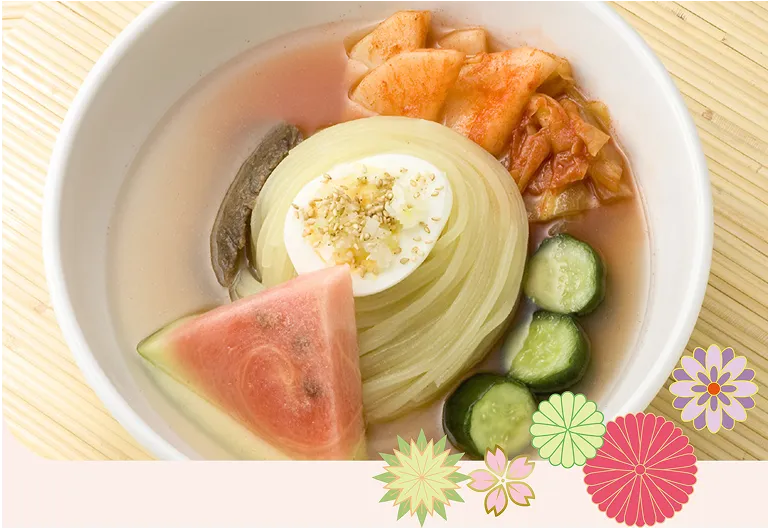
I've decided on "Morioka Reimen" (cold noodles).
Morioka Reimen, a unique dish that has evolved in Morioka, is characterized by its smooth and chewy noodles. The dough is made with a blend of potato starch and wheat flour, giving it a slightly translucent appearance that pairs perfectly with the cold soup. The key to the flavor is the broth, which is carefully extracted from chicken and beef bones. In addition, unique toppings such as kimchi, boiled eggs, and pickled vegetables enhance the taste. Morioka Reimen offers a unique combination of sweet, spicy, salty, and sour flavors in just one bowl. Some restaurants allow you to choose the level of spiciness, so be sure to select according to your preference.